
Neck Pain and Headache Relief: Non-Invasive Approaches That Help
Experiencing neck pain and headache can make even simple daily tasks feel challenging. For many people, the combination of discomfort in the neck and headaches is more than just a minor annoyance—it can affect productivity, mood, and overall quality of life. Understanding why this happens and knowing non-invasive strategies to manage it can provide lasting relief without resorting to surgery or heavy medications.
Neck pain and headache often originate from the cervical spine, muscles, or nerves. Therefore, identifying the root cause is essential. In this blog, we will explore practical methods, lifestyle changes, and modern therapies that can help alleviate discomfort while supporting long-term neck health.

What Causes Neck Pain and Headache?
Neck pain and headache usually stem from several interconnected factors. While occasional discomfort might be harmless, persistent pain can indicate underlying issues that require attention.
Poor Posture and Neck Muscle Pain
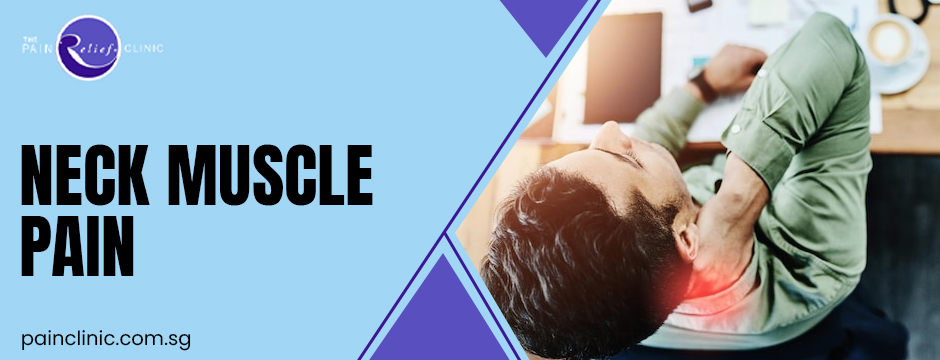
One of the most common contributors to neck pain and headaches is poor posture. Spending long hours at a desk, looking down at a phone, or working on a computer without proper ergonomics can strain the neck muscles. Over time, this can lead to neck muscle pain, stiffness, and tension that radiates into the head.
Muscle Strain and Overuse
Sudden movements, lifting heavy objects, or even sleeping in an awkward position can trigger neck muscle pain. When muscles are strained repeatedly, they can compress nerves or tighten surrounding tissues, causing headaches and discomfort.
Cervical Spine Issues
Age-related changes like degenerative disc disease, arthritis, or spinal misalignment can also contribute to neck pain and headache. Herniated discs, for instance, may press on nerves, creating radiating pain into the head and shoulders.
Stress and Tension
Emotional or mental stress often manifests physically, particularly in the neck and shoulders. Chronic tension can worsen neck muscle pain, which may trigger recurring headaches throughout the day.
Symptoms That Indicate Neck Pain and Headache
Recognizing symptoms early can help prevent further complications. Common signs include:
- Stiffness in the neck or limited range of motion
- Pain radiating from the neck to the head, temples, or behind the eyes
- Sensation of tingling, loss of strength, or numbness in the shoulders or arms.
- Pain that worsens with movement or posture changes
- Occasional dizziness or mild nausea
If these symptoms persist, professional assessment and targeted therapies are recommended to prevent chronic pain.
Practical Non-Invasive Strategies for Neck Pain Relief
Fortunately, many effective methods can reduce neck pain and headaches without surgery. These approaches focus on posture correction, muscle health, and spinal support.
Adjust Your Posture and Ergonomics
Simple adjustments to your workstation or daily habits can significantly reduce neck muscle pain. Consider:
- Keeping your computer monitor at eye level
- Using a chair that supports your back and shoulders
- Keep your phone at eye height rather than bending your neck downward
- Take brief hourly breaks to move and restore proper posture
Gentle Neck Exercises and Stretches
Gentle stretches and movement exercises increase circulation and ease muscle stiffness. Some helpful movements include:
- Slowly turning your head side to side
- Tilting your chin toward your chest
- Shoulder rolls and shrugs to release tension
Consistent practice can strengthen neck muscles, reduce spasms, and prevent headaches triggered by tight tissues.
Heat and Cold Therapy
Applying heat to stiff neck muscles can relax tissues and improve circulation. Meanwhile, cold therapy helps reduce inflammation after minor injuries or strains. Alternating between the two can be particularly effective for relieving neck muscle pain and preventing headaches.
Stress Management Techniques
Since stress often worsens neck pain and headache, incorporating relaxation practices can provide relief. Deep breathing exercises, yoga, meditation, or progressive muscle relaxation reduce tension in the neck and shoulders. Over time, these habits can lower the frequency and severity of headaches.
Advanced Non-Invasive Therapies
When lifestyle adjustments and home remedies are insufficient, modern medical therapies can target deep tissues without invasive procedures.
Shockwave Therapy
Shockwave therapy uses mechanical pressure waves to stimulate tissue repair and reduce muscle and tendon pain. Promoting natural healing and improving circulation, it can address chronic neck muscle pain and alleviate associated headaches. This therapy is particularly useful for individuals who have not found relief through conventional methods.
Advanced Heat Therapy
New medical technologies deliver deep heat to affected muscles and joints. Combined with professional manual techniques, this therapy releases muscle knots, reduces stiffness, and improves mobility. Regular sessions can support long-term neck health while reducing the occurrence of headaches.
These therapies complement at-home strategies, creating a comprehensive approach to managing neck pain and headache effectively.
Preventing Neck Pain and Headache
Prevention is always better than a cure. Maintaining a healthy spine and strong neck muscles reduces the risk of recurring pain. Consider the following strategies:
- Maintain ergonomic posture while working or using devices
- Perform regular neck stretches and strengthening exercises
- Take breaks to move and adjust your posture throughout the day
- Stay hydrated and engage in low-impact exercises to support muscle health
- Evaluate pillows and mattresses to ensure proper spinal support during sleep
By addressing these factors, you can minimize neck muscle pain and reduce the likelihood of headaches triggered by neck tension.
When to Seek Professional Help
Although many cases of neck pain and headache can be managed at home, professional evaluation is necessary if you notice:
- Persistent pain that continues for several weeks, even after trying home remedies
- Reduced feeling, prickling sensations, or decreased strength in the arms or hands
- Pain radiating from the neck to the head or shoulders
- Severe or sudden headaches accompanied by other symptoms, such as dizziness or nausea
A medical professional can identify the root cause, recommend safe therapies, and prevent long-term complications. Imaging, such as X-rays or MRI, is often needed to ensure accurate diagnosis and effective treatment.
Find Lasting Relief at The Pain Relief Clinic
At The Pain Relief Clinic, we provide non-invasive treatments specifically designed to relieve neck pain and headaches. Through advanced therapies, accurate imaging, and personalized care, we focus on addressing the root causes of discomfort. Our approach helps you regain mobility, reduce pain, and enjoy daily activities with ease. Contact us today to explore tailored solutions for lasting relief.
Final Thoughts
Neck pain and headache are often linked to poor posture, muscle tension, or cervical spine issues. Combining self-care with professional therapies provides a safe and effective solution. Gentle exercises, ergonomic adjustments, stress management, and modern non-invasive treatments like shockwave and advanced heat therapy can significantly reduce discomfort.
By understanding the causes and following practical relief strategies, you can regain mobility, improve daily comfort, and prevent recurring pain. For leveraging these services more effectively or to know more about these relief treatment plans, please visit our official site at The Pain Relief Clinic.
FAQs
1. What causes neck pain and headache?
Neck pain and headache can result from poor posture, muscle strain, cervical spine issues, or stress. Daily habits like looking down at phones or long hours at a desk can trigger tension in the neck muscles, leading to headaches.
2. How can I relieve neck muscle pain at home?
Gentle stretches, posture adjustments, heat or cold therapy, and regular breaks during work can reduce neck muscle pain. Stress management techniques like yoga and deep breathing also help ease tension.
3. When should I see a professional for neck pain and headache?
Consult a healthcare professional if pain lasts for weeks, spreads to the arms, causes numbness or weakness, or is accompanied by severe headaches, dizziness, or nausea. Early evaluation ensures proper diagnosis and treatment.
4. Are there non-invasive treatments for chronic neck pain and headache?
Yes, therapies like shockwave treatment and advanced heat therapy target deep tissues, release muscle knots, improve circulation, and promote natural healing without surgery.


 Contact us on Whatsapp